ABOUT
The Tree
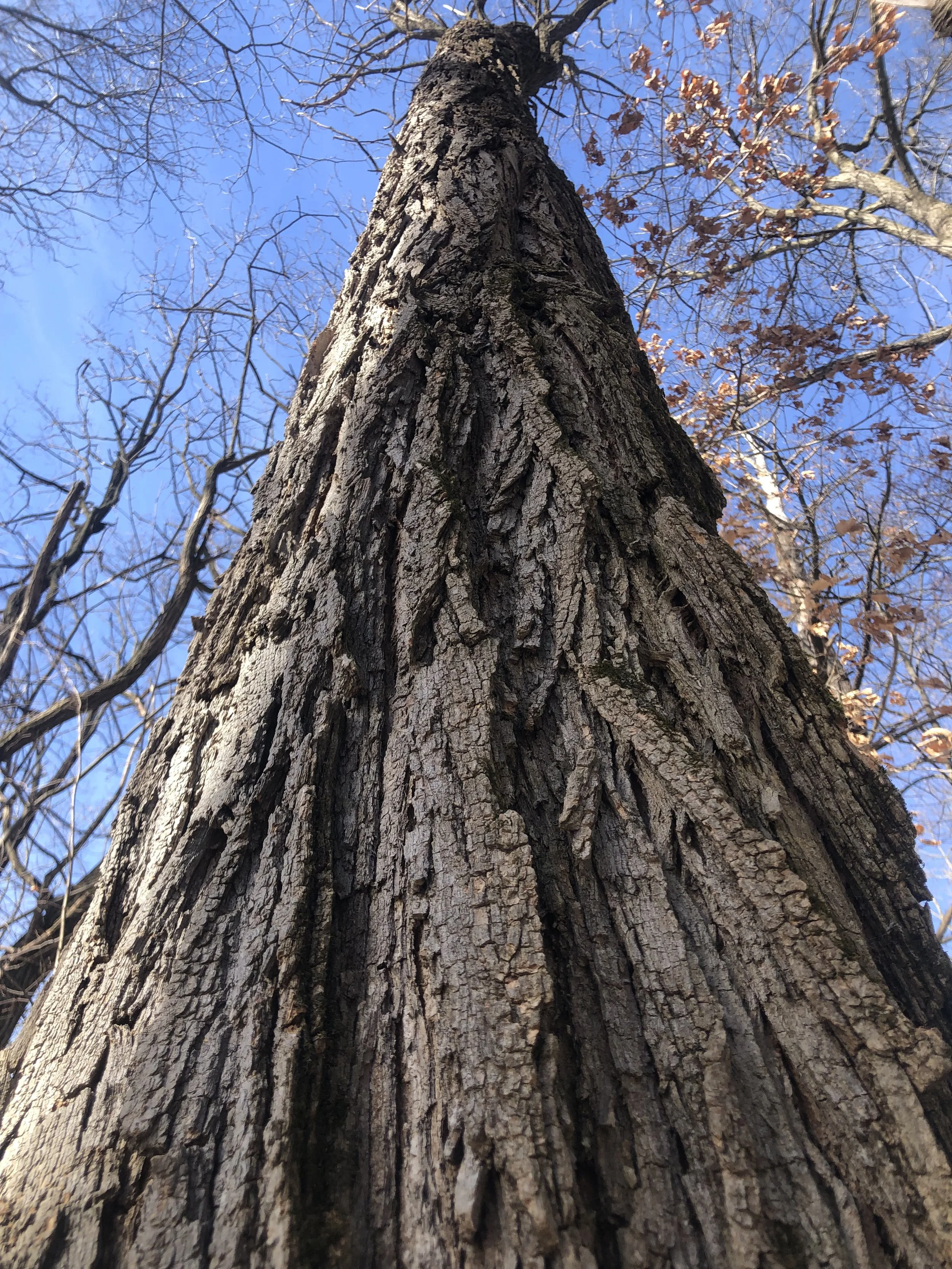
Beyond producing extremely durable and attractive wood, the Black Locust tree has a fascinating life cycle from beginning to end.
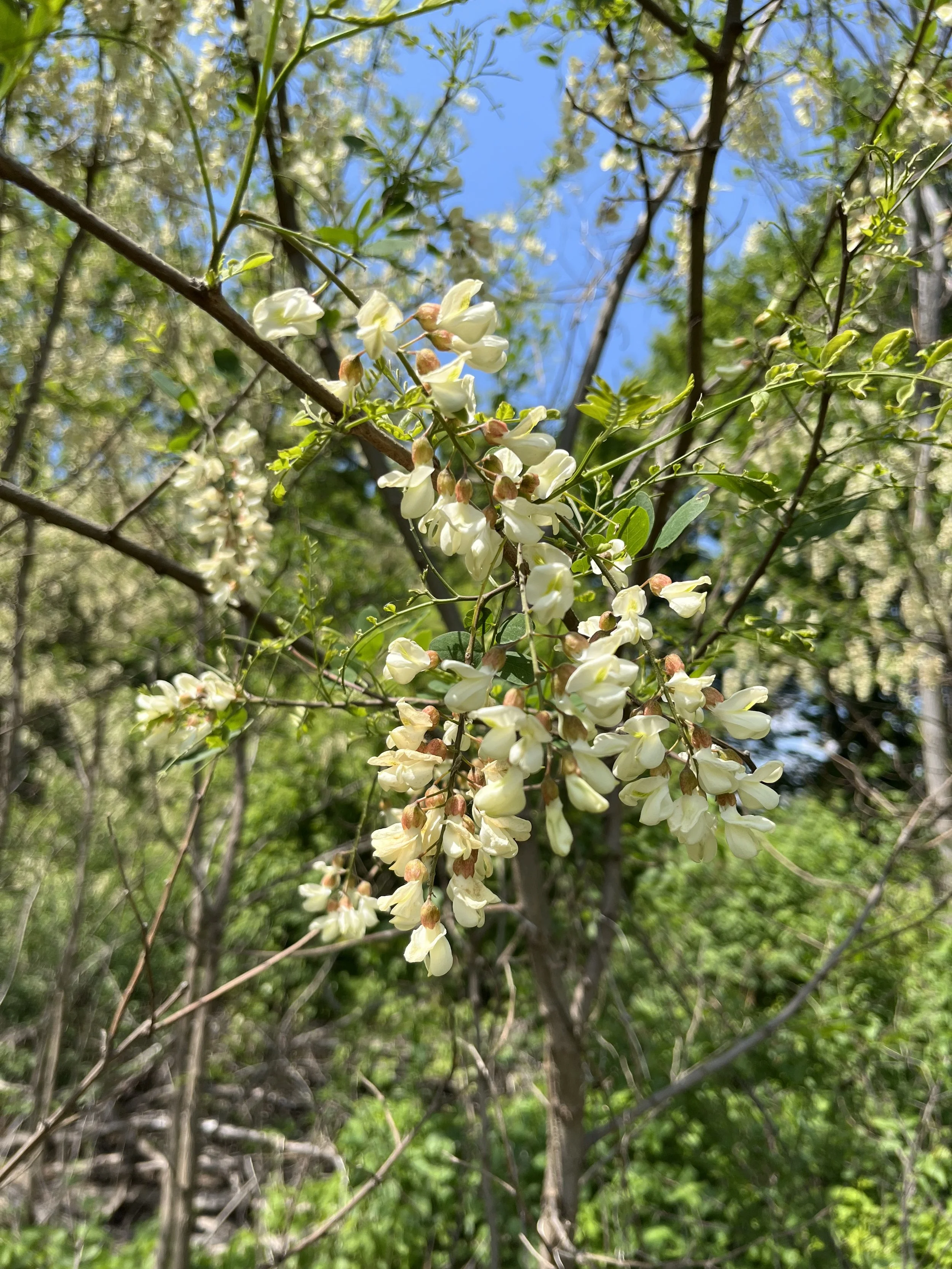
This “tree” is actually a legume or bean plant that produces a seed pod — just one of its forms of reproduction. The seeds becomes an excellent food source for wildlife and for soil building. It’s flowers produce some of the finest honey and the wood is certainly one of the rarest building materials in the universe.
During their growth process, Black Locust trees pull atmospheric nitrogen from the air and transfer it back into the soil. These trees’ quick and extensive rooting make them a great selection for soil retention and also allow us to produce a high-value timber crop in a short time — all while enriching the soil.
Early improvement thinning supplies us with a post or pole harvest while paving the way for future healthy, uniform, high quality sawlog harvests.
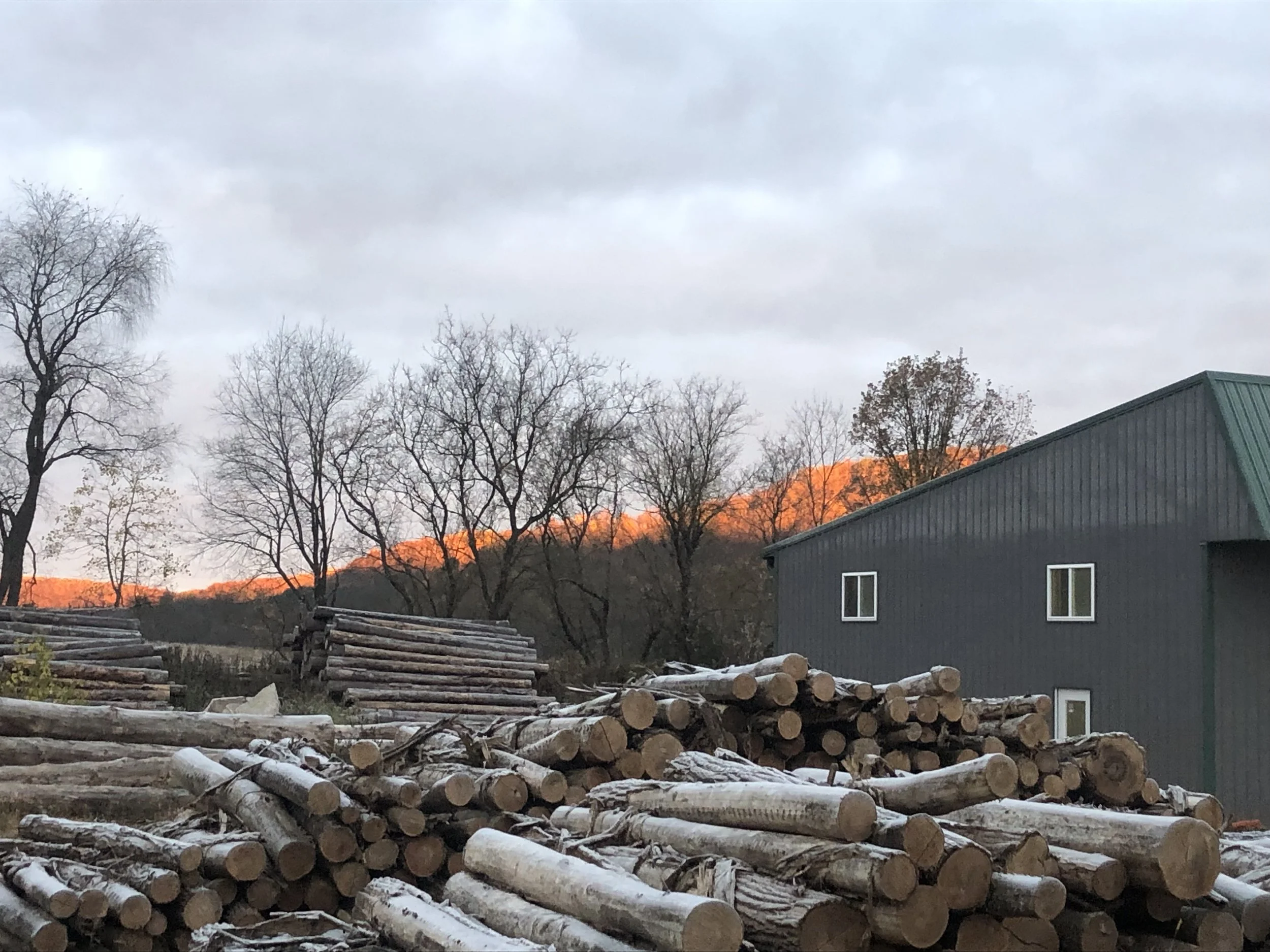
We are the northernmost Black Locust operation in the country. Our cold climate produces dense growth, resulting in superior lumber and posts.
The vision
Simply put. To create useful wood products while fulfilling our responsibility to the environment and natural world around us. We have a commitment to always looking for a natural solution first, then to share what we learn along the way.
Our Founder
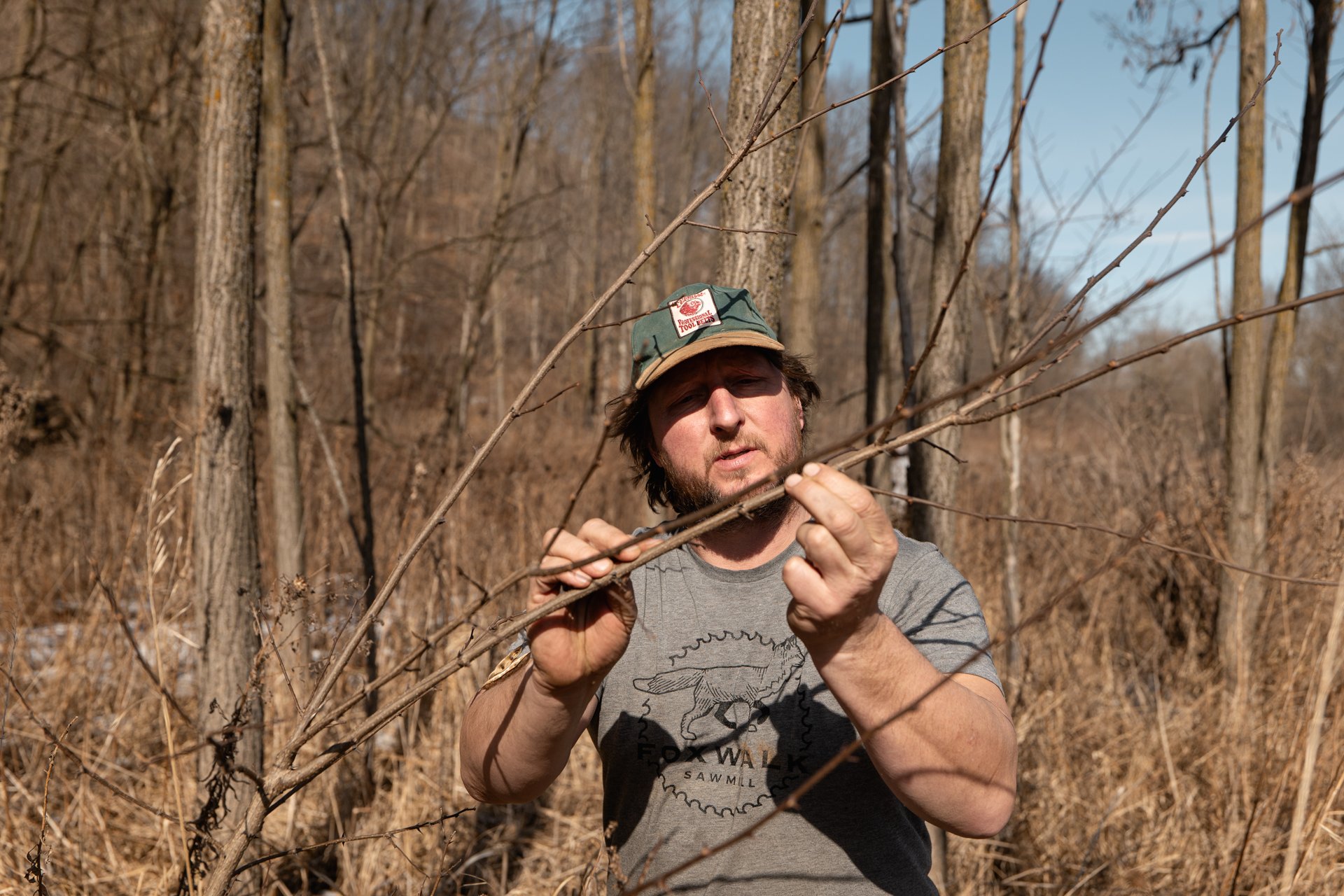
An accomplished inventor and nature enthusiast, founder Zack Jacobson grew up in the midwest and has had a lifelong passion for the outdoors.
A student of the famed Tom Brown Tracker School, he established Foxwalk Sawmill in 2008 and became fascinated with Black Locust soon after.
If not working at the sawmills, he can be found in the garden, scuba diving, or hunting for Lake Superior gem stones and shipwrecks.
The process
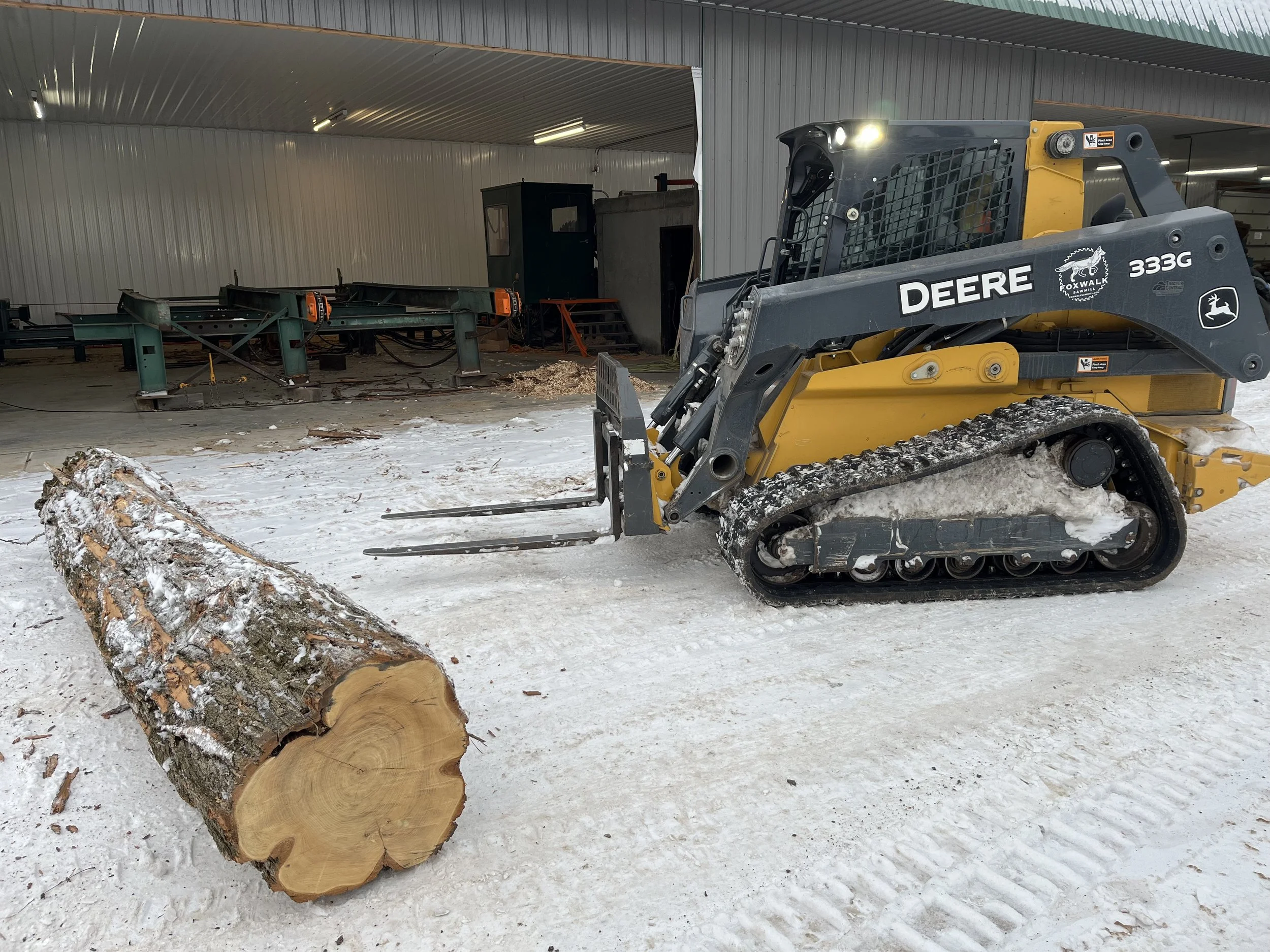
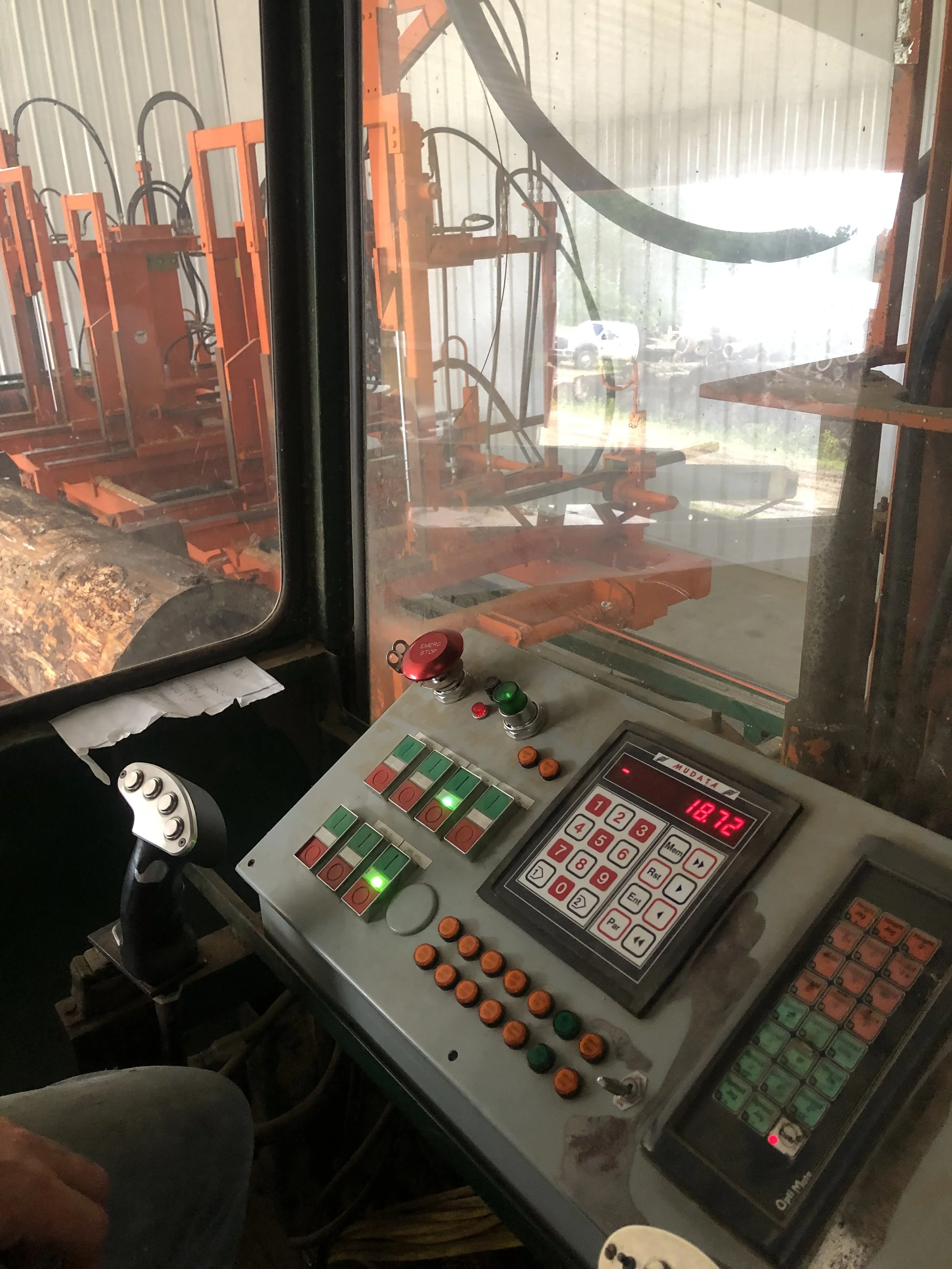
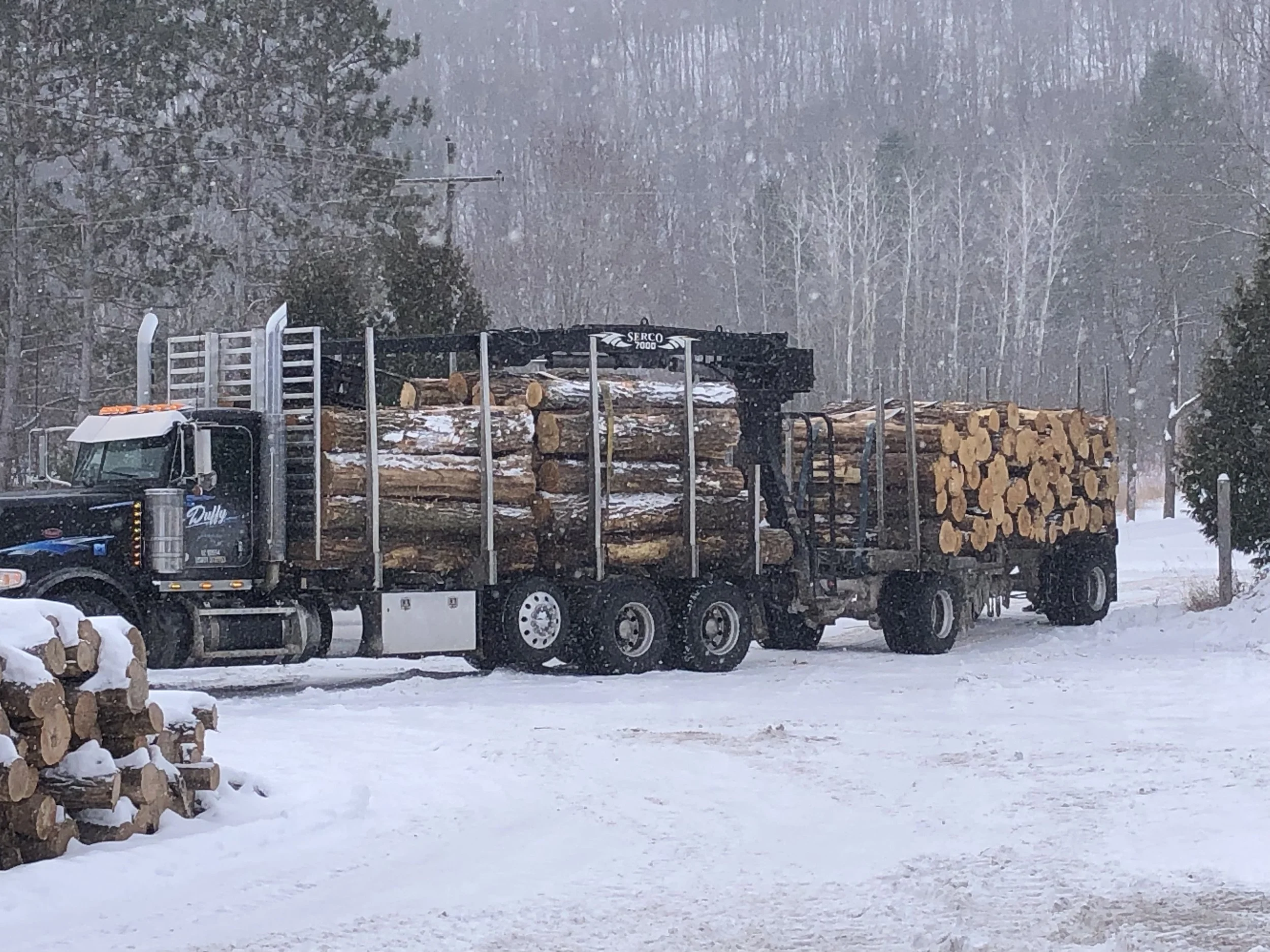
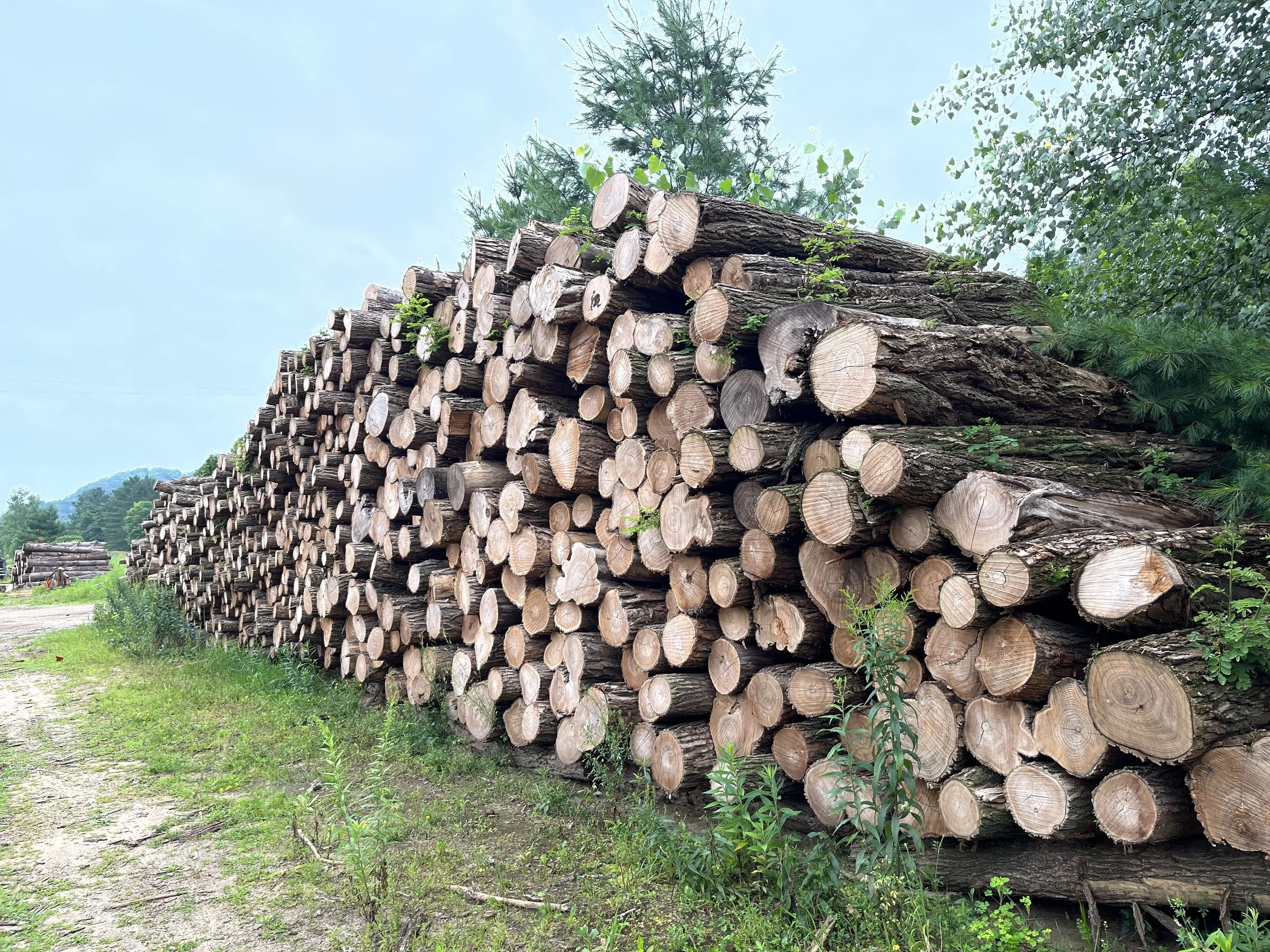
Our Black Locust timber is harvested throughout our region. The majority of our logs are from our winter cutting operations, providing better quality timber for our products. These logs are sorted for processing at our recently updated sawmill and post-peeling operation in West Central Wisconsin. Lumber is then air- or kiln-dried in our top-of-the-line kiln and heat treater. We’ve developed our own unique drying process to maintain the integrity of our Locust wood products. The dry lumber is then shipped or further processed into our variety of speciality wood products.